Author: Zooks
読み方は、Zooks(ズークス)。
2017年〜2019年(2年):タリン大学に通った後、当初の予定通りに修士号を取得。
2018年~2020年(約2年半):Timbeter勤務。
2021年1月からはエストニアの別の企業に勤めます。
卒業を機に(情報がごちゃまぜになって個人的に嫌なので)以前のサイトから移動しました。
学校に関することはそちらをまずご覧ください。
ご連絡はどちらからでも構いません。
Zooks Goes to Animal Shelter in Estonia.
Tere!
In Tallinn, Estonia, we had had a lockdown since the 28th of December 2020 until the 17th of January 2021. I still feel that it seemed better than the ones in London or Paris where my old friends live because in Tallinn take-away was allowed for restaurants and cafes, and there was no need to submit any document to get a leaving permit. (Yes, in France they needed to. My friend didn’t have any printer so she submitted a hand-written permit to the police.)
In any situation with COVID-19, places that we could go are limited in any part of the world. Besides, I met one Estonian during my third hospitalisation (which happened in October 2020). One day after the hospitalisation, we were messaging and talking about my mask that my mum bought at Kumano Taisha Shrine in my hometown, and then the topic was switched to an animal shelter in Estonia.
Then we agreed to go to the animal shelter. It was the first time in three years and half for me to go to the animal shelter in Estonia. Also it was the first time in my life.
The animal shelter is near a lake in Männiku. We talked about the area and lake while walking with a dog. And I completely thought that the lake was somewhere that I had been to in July 2020, but when I was searching the exact place of this animal shelter, I figured out that there were multiple lakes. (Considering that, I want to erase all the talks that I had done at that time…)
We went to the animal shelter by car since this companion could drive. However, it seems there are buses such as bus 116. It’s 116 and the area is (kind of) suburb of Tallinn, so the bus may charge you a few euros. Just keep in mind that it might happen.
We went to the animal shelter one regular Saturday at 12pm, when the shelter is open. I’m not sure about other days and times, so don’t forget to check those if you are planning to go there. It may be different.
Moreover, it seems we needed Estonian ID cards. Since this time he registered as a representative of our group (of only two though), I didn’t do anything. What I want to say is maybe you need an Estonian ID card if you want to walk with a dog. (If you are interested, just contact them because I have no idea in the case of travellers.)
Once it’s open and you registered, they give you one dog at random. This means that you can’t choose dogs. We got a super black dog. I have no idea what kind of species he was. The dog was just handsome and looked good.
Then we walked around the lake with the dog.
That’s it.
Walking with a dog was a main activity, but that was it.
You can watch a video of this dog here (that is my Japanese page).
We walked with him for perhaps about one hour, and just headed to the shelter to give back the dog.
Sometimes the dog was pretty barking to other sheltered dogs, and vice versa. However, there was no trouble or even happening.
Also, in this animal shelter there are lots of cats as well, but since we both had cat allergies, we just looked at cats from the window. In my experience, some cats like me, others don’t. When travelling in Riga, Latvia with my friends, we had a cat in our hostel, who did a cat punch to me. On the other hand, 80% of dogs like me. For example, when I went to Timbeter’s boss’s place, her dog liked me a lot, hopping and jumping on me. (However, I was very slightly frustrated because he gave me some dirt on my relatively new shoes.)
Anyways, it’s worth going to the animal shelter because our activities at home are limited in general, and it’s also good to walk somewhere unfamiliar so why don’t you go there?
Aitäh! 🙂
Hospitalisation (20)
Tere!
In the previous episode, my therapist told me to be hospitalised.

She said, and took me to the doctor’s office.
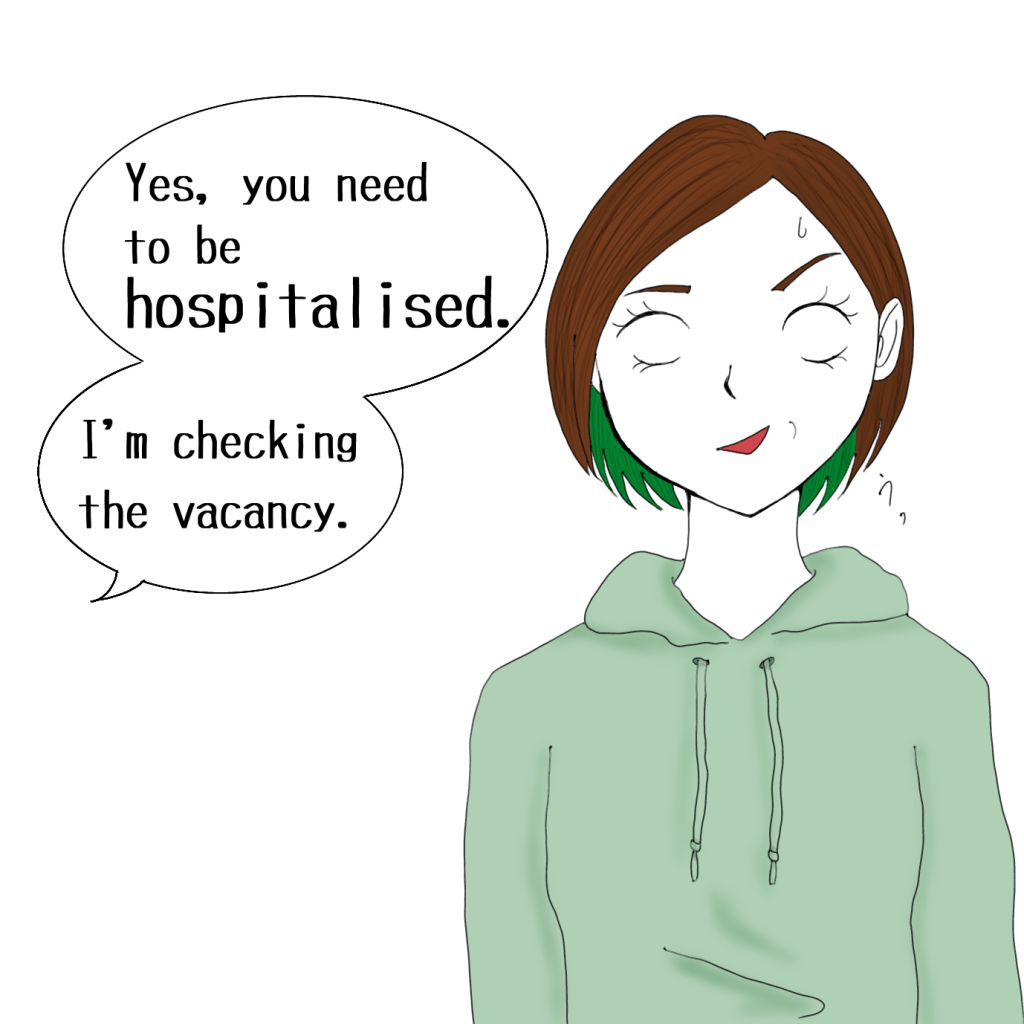
After a while, a nurse came to me.
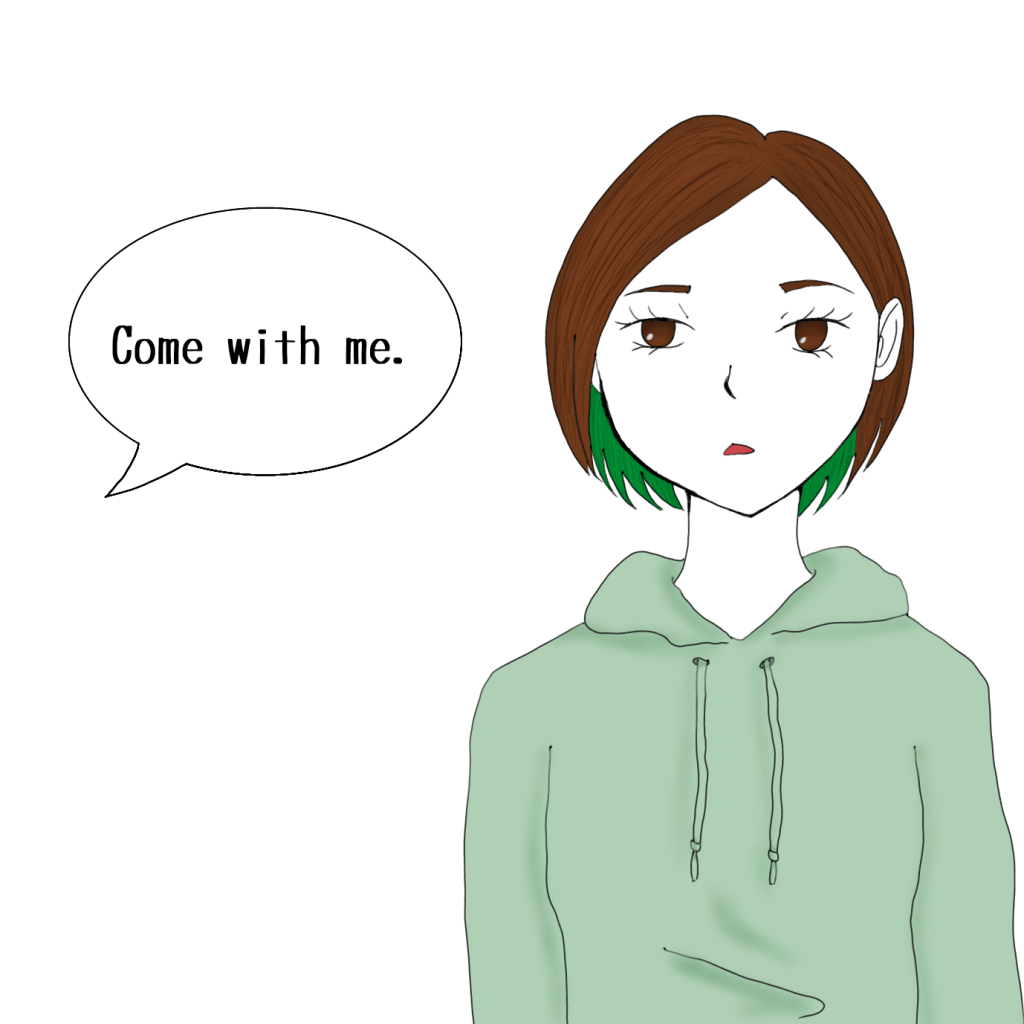
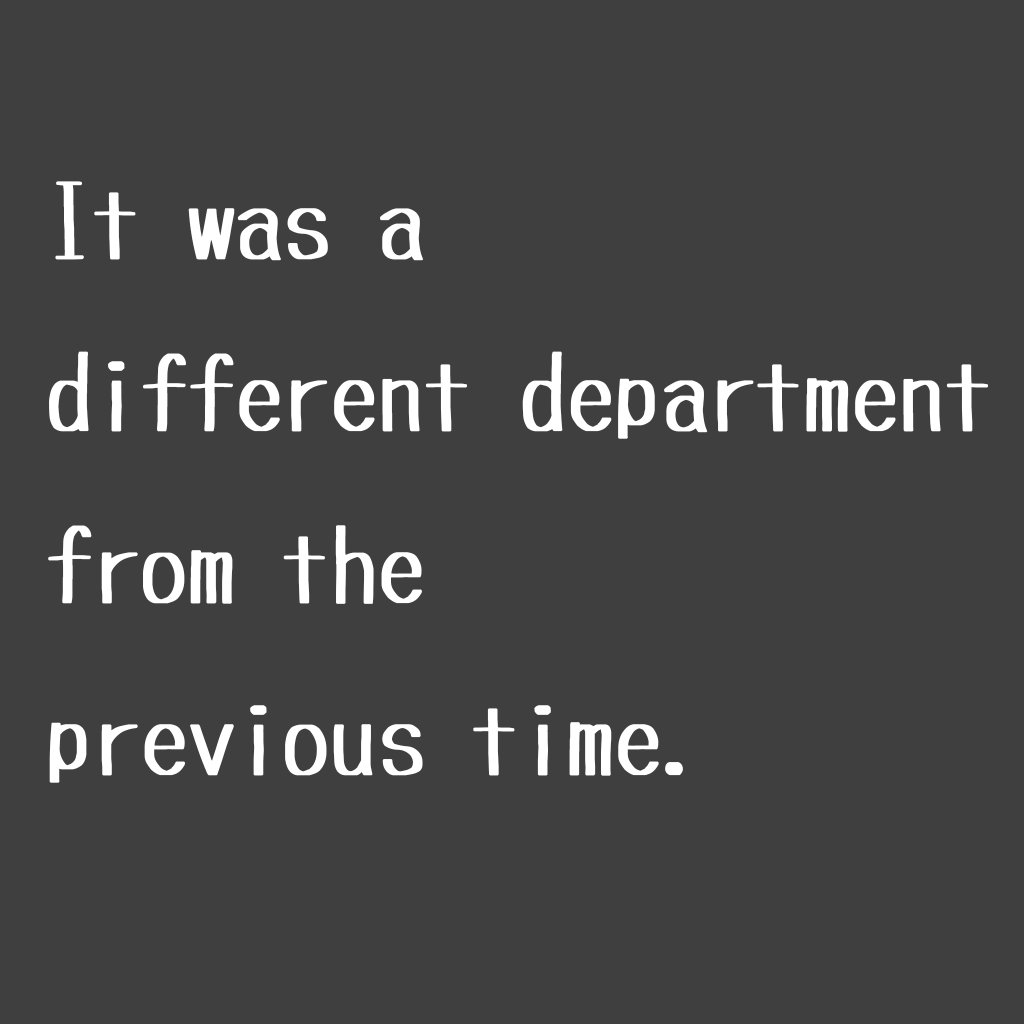
NB! The next episode might surprise you!
Aitäh! 🙂
Zooks Completes Estonian B1 Class.
Tere!
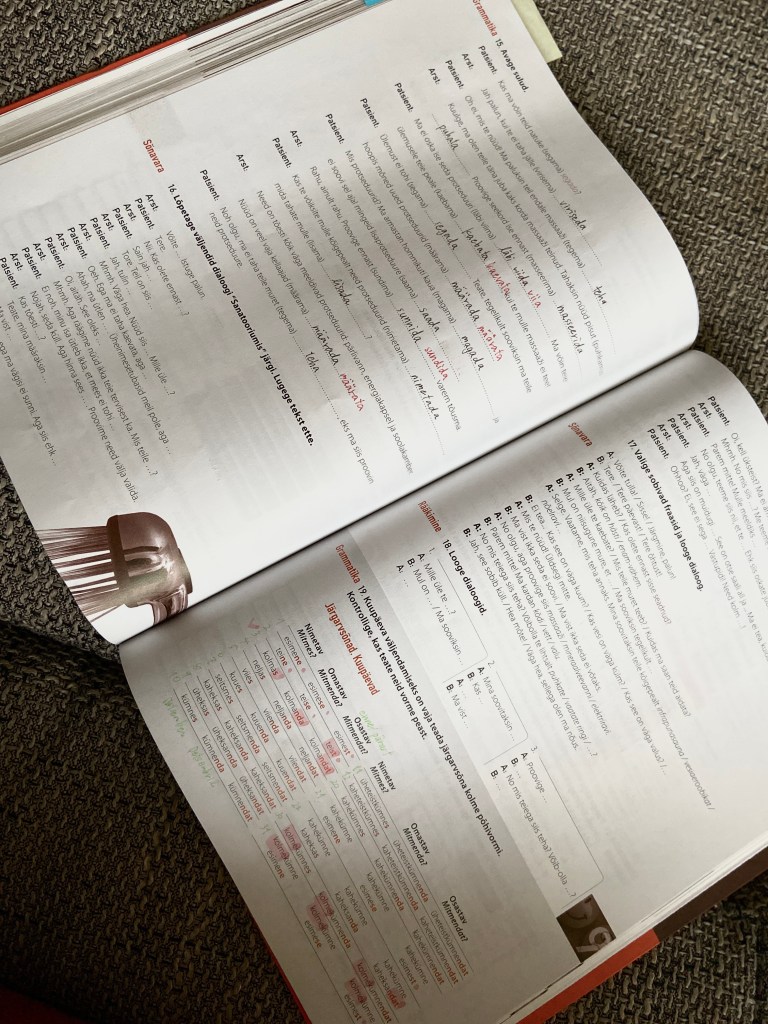
Do you remember that I was going to publish blog articles about my Estonian language course? Due to hospitalisation, I couldn’t actually continue. (Sorry to those who were looking forward to it.) Ergo, I’m summarising how my Estonian B1 course was this time.
After getting back to the Estonian language course, I went to the language school, but since the 25th of November we started learning online. This is because the Estonian government announced that hobby classes can be held in class only if the number of participants is below 10 or 15 or something like that. (I can’t remember that much.)
In summer I also had an Estonina language course online, but my teacher wasn’t used to the IT gadgets. This time my teacher is an expert of Zoom (she looked like that), so the quality of the class was way better. (I thought if the online class was like this, it could be an option.)
Anyways, I’m gonna introduce what we learnt from week 9 that I got back from the hospitalisation.
★Week 9★
It was the first language class since I was discharged from the hospital. There was nothing new for me. We learnt how to use “kuhu” (to where), but I already learnt in the A1 course last year, so there was no difficulty.
★Week 10★
I learnt two things this day — how to use “kuhu” and “kus” as well as the conditionals.
Regarding “kuhu” and “kus”, I write down for those who are not familiar with them below. “Kuhu” uses the verb “minema”, and “kus” uses “käima”, both of which mean “to go”. They use the former one when expressing going somewhere (one direction), and use the latter one when stating going somewhere regularly. Also, according to the interrogative, the form of the noun of the destination also changes.
For example,
- Ma lähen koju
- Ma käin kodus
Both mean “I go home” but the former one indicates “I’m going home (returning home)”. The third word of each sentence means “home”, but the case changes based on “kuhu” or “kus”.
In terms of the conditionals, the Estonians use -ks-. For instance, “tahtma” (which means “to want”) will be
Ma tahaksin
to be more polite. (In English it means “I would like”.) There is another example. They have a verb “saama” (which means “can”), and they say “I could” by inserting -ks- and making it “Saaksin”.
We learnt such things that day.
Also, I got a small glossary book, which seems very useful.
★Week 11★
This week we shifted learning from offline to online. On Monday we learnt how to express time. I learnt time at A1 level, but this time it was “from what time to what time”.
As a grammar, the form is “kellast (from what time)” “kellani (to what time)”, and you need to insert the second case of numbers. For example, if it’s “from 8 to 5”, it wil be
kaheksast viieni.
We also learnt how to express “8.15” or (8.30).
From this Wednesday, we had an online class. We kept learning “time”, but this online class was splendid.
When learning or acquiring a language, speaking is a tricky part because it is hard to practise on our own. However, my teacher knew Zoom so well, so she created pairs or groups in three, and we could practise speaking by using breakout rooms.
In such a situation I do agree to learning a language online.
★Week 12★
We continued “time”, but this time we learnt “at what time”. To express such, they use “-ks”. For instance, if you want to say “at 8”, it will be
kaheksaks.
Like the previous section, it also uses the second case of the numbers.
Plus, we learnt half of the time (e.g. “8.30) or 15/45 (e.g. 8.45) as well.
On Wednesday the class was about verbs. In Estonian there are the -ma infinitive and -da infinitive. Which form we use is depending on the first verb. Here “verbs” includes auxiliary verbs in English too. I had a pair practice with an Russian student, who advised me
- They use the -ma infinitive when the first verb is some sort of action (in many cases);
- They use the -da infinitive when the first verb is some sort of emotion or ability (in many cases).
For example, “I have to read a newspaper” will be
Ma pean ajaleht lugema
We didn’t deepen into the -da infinitive this time, and finished with the -ma infinitive.
★Week 13★
We learnt the -ma and -da infinitives, and a different case of numbers.
I’m gonna explain how to use the -da infinitive as I did for the -ma infinitive above. If a sentence is like “I can find a solution”, the Estonian sentence will be:
Ma saan lahenduse leida
You don’t have to pay attention to the position of the objective.
In terms of the numbers, we learnt the second and third case. (It means the way to use numbers differs depending on the context. It’s a bit complicated so it may be time-taking to get used to it, but I believe that practice makes perfect!)
When they use such weird forms of numbers is when saying “from when to when” or “before” and “after”.
The below is how to say “from when to when” in Estonian. Here “from when until when” is in Estonian is ”Mis kuupäevast mis kuupäevani”.
I exemplify from the 14th of March (Märts) to the 18th of April (Aprill), it will be
neljateistkümnendast märtsist kaheksateistkümnenda aprillini.
Fucking long.
Grammatically the second case of the numbers and months have “-st” or “-ni”.
Another explanation is about enne, pärast — “before” and “after” (in Estonian). They use the third case here. For instance, “What don’t you do before the 1st of January?” will be
Mida te ei tee enne esimest jaanuari?
We use the same logic to “pärast”.
These were quite hard exercises.
★Week 14★
We had a class on Monday and a test on Wednesday.
We learnt the third case of plurals of nouns and adjectives. Oh, these are harder to acquire!
Some nouns and adjectives require us to add a few alphabets to the second case of their singular form. Others need to change the third cases of their singular forms. It’s so hard to remember. By the way, the Estonian language is like Spanish, so the adjectives get influenced by the nouns that attach those adjectives. In short, if a noun is a plural, its adjective is also a plural, and the noun is a third case, the adjective also becomes the third case.
I believe all I can do is just practise.
On wednesday, we checked the homework, and spent the rest of the time for the test. I felt the test was easy.
★Week 15★
We checked the points at the test, and then talked about how the Estonian language course was in a pair in Estonian. After that we presented our partner’s difficult points and good or interesting points regarding the class.
As for the test, I do have no idea where I made mistakes, but my point was so few.
Since I don’t know my mistakes, I cannot do anything for that.
However, although I don’t have much vocabulary yet, indeed I gained a few, and could speak more freely than before.
In terms of the afterwards, since I’ll start a new job in January, and I think I should get used to it first,I decided not to take any Estonian language course for this semester. Instead, I will do self-study by using my spare time.
Aitäh! 🙂
Hospitalisation (19)
Tere!
The previous episode is available from here.

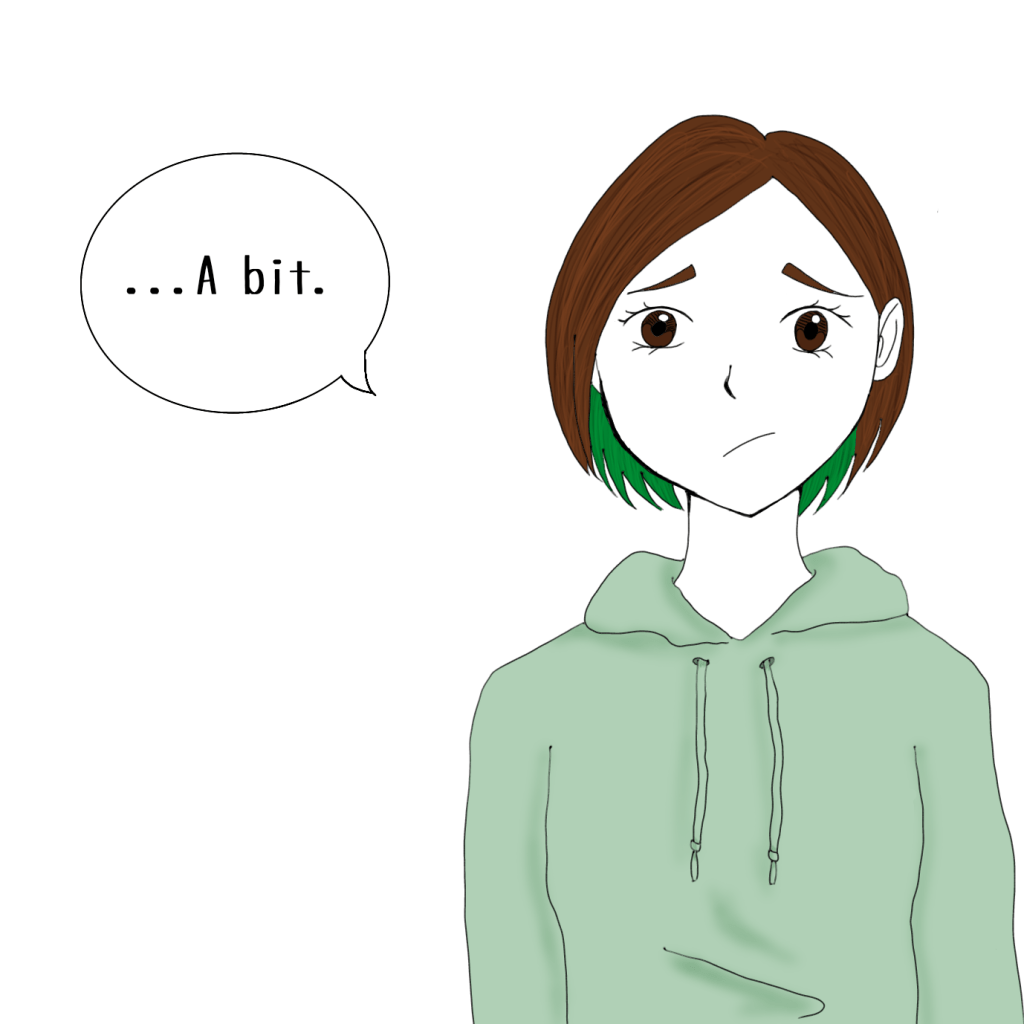
As you might remember, the 6th episode divulges that I had it before. So this is my second time. Due to the initial suicidal thoughts, every time I saw a doctor, nurse or psychologist, they asked me such a question.
I honestly revealed the thought that I wrote in the previous episode.
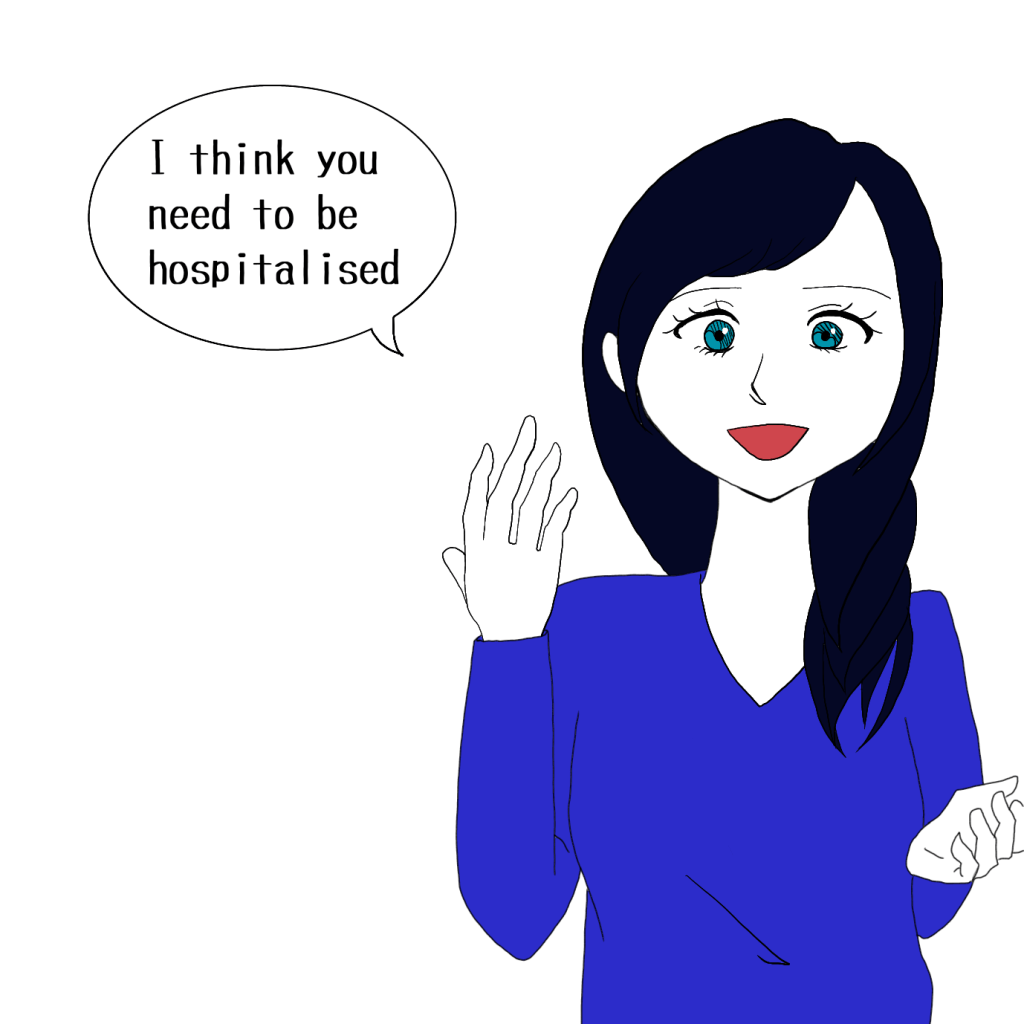

It was funny in a sense.
Aitäh! 🙂
Hospitalisation (18)
Tere!
The previous episode is available from here.
My brilliant creativity produced such an idea.


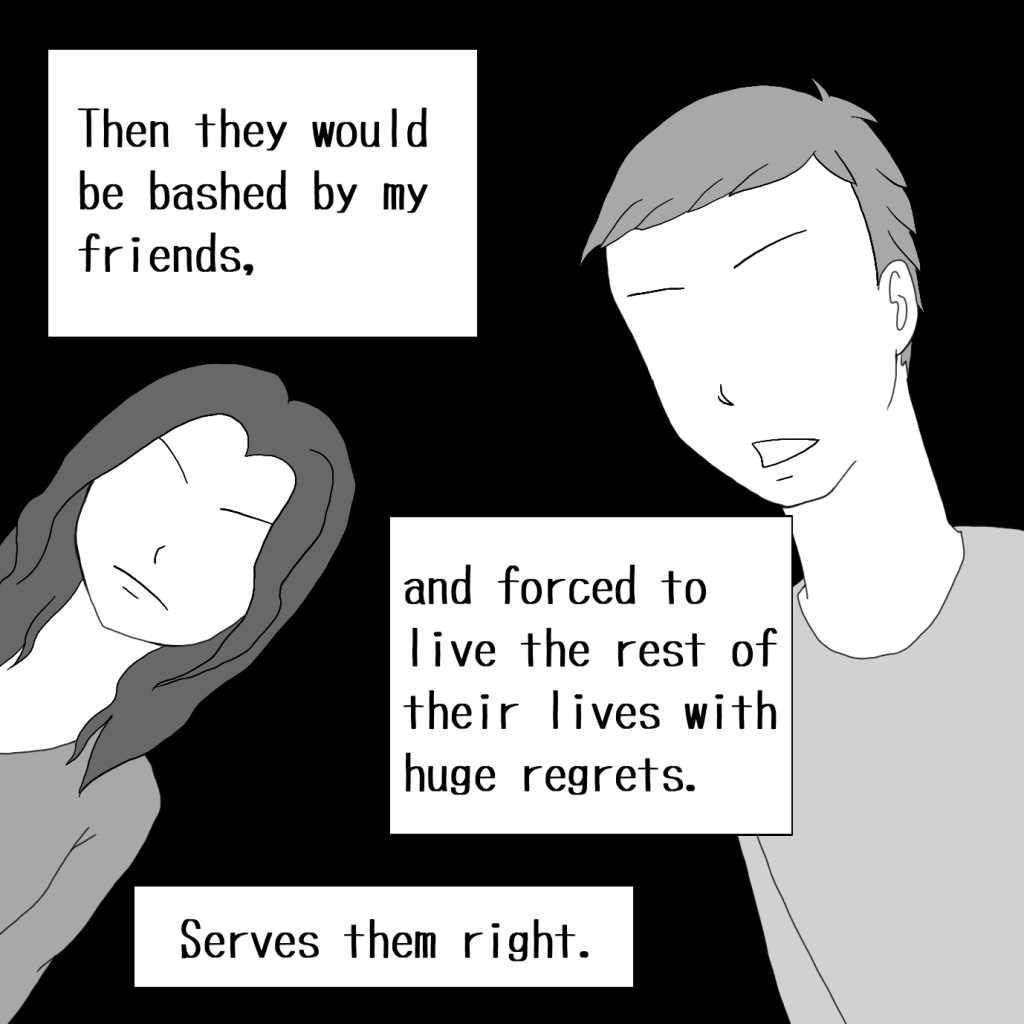

Now I see that I was quite a psycho. However, it means I wanted to run away from reality too much.
Aitäh! 🙂
Hospitalisation (17)
Tere!
The previous episode is available from here.
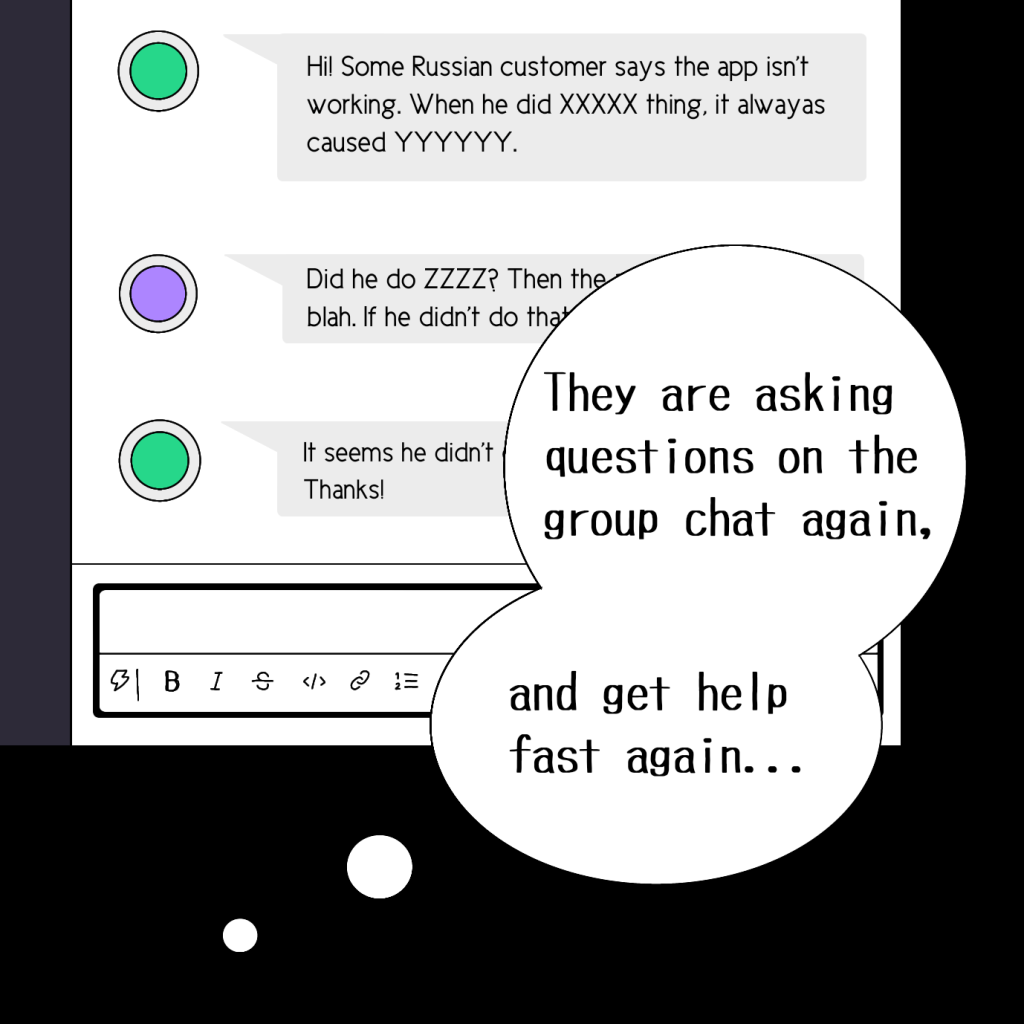
I understood that even if the PIC is really a cunt, but they can make revenues with enough subsidiary equipment and get decisions made fast, they deserve to get help.
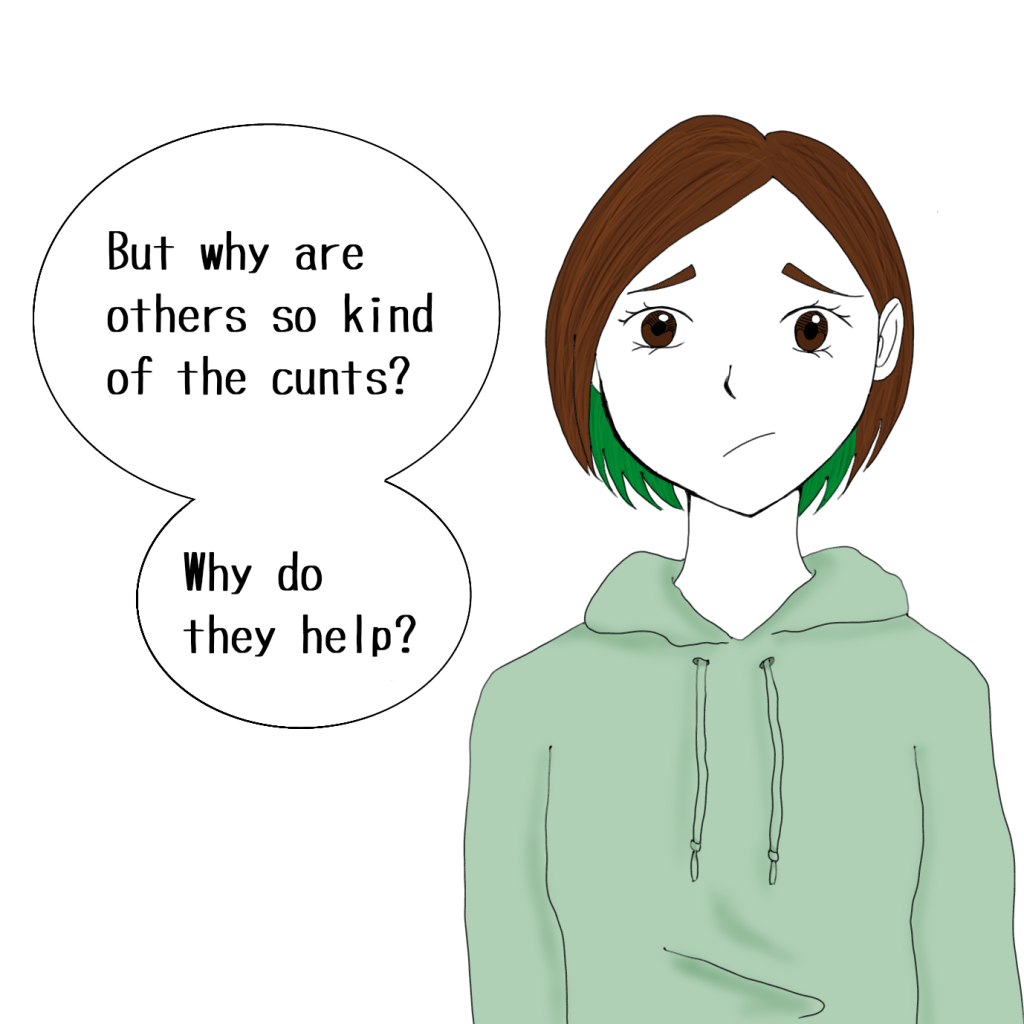

Then, one idea came up to me.

Aitäh! 🙂
Zooks Calls Technician to Have Internet at Home.
Tere!
How’s everything? The other day I wrote a story about moving to the new place. For such an event we would need to get some necessary home appliances and daily essentials, but there is one more crucial thing — the internet.
I knew that I had a LAN cable hole at home, so I simply bought a WiFi router and was going to sign a contract with a provider. That was my initial plan.
In Estonia there are some internet providers. According to some people who I know:
- STV: “Who would use such a provider?” by my former colleague
- Tele2: the best
- Telia: you won’t make a mistake
- elisa: “Just expensive. Who needs it” by my friend
Now you know which one is best.
When signing an internet contract in Estonia, Telia would be the best option. If you can invest and afford, buying a router that works with a SIM card and signing a contract with Tele2 is also an option. (I wrote like this because I’m not 100% sure if Tele2 has a WiFi renting service.)
Based on my colleague’s and friends’ advice, I decided to go to Telia in the shopping centre. The clerk told me that I needed a technician, so I booked a time when he would come on the week that I would completely move in.
Then one Friday the technician came and said
This is the older type of internet.
?????
He mentioned there was Telia’s network in the building, but the network that went to my room was by elisa, so he had to bring a cable from the outside to the inside in order to connect the internet.
Neither the broker nor the owner said such a thing…
Also he said he had to make a hole to have cable for the internet around the doorframe. I called my owner, but the technician couldn’t speak Russian so the owner’s husband answered the call. We got a permission to make a hole, and the technician made an effort, but
I can’t proceed. There is metal inside so I can’t make a hole.
Really.
Eventually the technician couldn’t have the internet at home, so we gave up.
Next day I went to the Telia shop, and cancelled the contract. Then immediately I went to the elisa shop and booked another technician. Their service was available even on Sunday. I saw some positivity to work at home on Monday.
On sunday the technician came to my place, and checked the internet status:
The connection is cut somewhere.
??????
Why????
Just in case I told him that the Telia technician came and made a hole, and he said that was probably the reason.
Although the technician had another booking in half an hour, I had a permission from the owner already, he made his effort.
After a while the technician successfully and thankfully set the WiFi, and I could work on Monday at home.
This time I learnt when getting the internet at home:
- Go and talk to the provider before buying a WiFi router. (Possibly the WiFi cannot be used, and the providers give you an option to rent a WiFi router);
- Call a technician definitely;
- Give up providers if they are not in your room.
This is no one’s fault this time. However, I thought either the owner or the broker should have known this. By the way I lived in a flat without the internet in Kyoto some years ago, but I could get a rental Wifi router (pocket WiFi). In Estonia I couldn’t find such a solution. (All the pocket WiFi routers that I found were for travelling.)
And one more thing — it cost 10 EUR for 15 minutes at Telia to have a technician, but elisa didn’t charge me. Anyways, I’m glad to have the internet at home.

Have a lovely internet life at your place too.
Aitäh! 🙂
Zooks Changes Place in Estonia (Vol. 4).
Tere!
Do you know how long I have been in Estonia? I’ve been here for more than three years now. (My fourth year started last August.)
In short, I have changed places to live almost every year.
Previously I talked about how to move to a new place in Estonia in this article, so please read it first if you are thinking of living in Estonia.
This time’s account is rather a background story of moving to a new place in Estonia.
I decided to move out because I was sick of my Hong Kong flatmate’s attitude, behaviour as well as his ways of thinking. Normally we decide where to live based on school or office location, bus stop, supermarkets, etc. At that time I didn’t have any new determined job yet so I had no idea in which area to live.
When I came to Estonia, I shared one flat with 11 other people in the city centre. Then I got a job so I moved to Mustamäe where the office was. This was the second place.
However, since I was so sick of my Indian flatmate, I moved to another place in Mustamäe but it was still a walkable distance from the office. This was the third place. Remember? The one that I had to agree to the flatmate agreement like what Sheldon in “Big Bang Theory” made. (Sheldon is better in fact.)
Besides, at the third of my hospitalisation, the Hong Kong flatmate was a part of the reason that I was there, so I decided to move out besides a new job.
However, at that time I didn’t have any new job yet (as mentioned earlier), and had no idea where the next office would be located when I was looking for a new place. That’s why it was kind of hard to decide.
In Tallinn many nice but cheaper flats are in Lasnamäe where lots of Russians live. Mustamäe has smaller flats like 11㎡~. In the town, of course the rent is pricey. Põhja-Tallinn is fancier but there are few supermarkets in the neighbourhood. Kristiine has few properties.
For those reasons it was quite difficult to find an ideal place.
However, there was something that I could not compromise — the size.
Since I’ve had a 160cm office desk, I needed a space that I could have such a big desk and some space for the laundry dryer rack.
Without real understanding the size of rooms, I found two places. One was in the town, and the other one was in another area close to the town.
Since my friends always told me to live somewhere not in Mustamäe but in the centre. Then I went to see the former place which was way different from the pictures and so small. 20㎡ was actually really small (for me).
For this reason I went to see the other place. The kitchen was not separate but that was not my priority. There was a separate bedroom and the bed was semi double. The toilet was together with the shower, but there was a bathtub. Also there was enough space for my lovely 160cm desk. Eventually this place became my new home.
The owner can speak only Russian, but when we have something to tell each other, we use Google Translate or something to communicate. Her husband can speak English so when there is something important he can talk with me.
It’s the first time for me to live alone since the time I lived in Kyoto, and though it’s good to have someone to talk with, it’s also important to have my own time. Therefore I’m planning to invite people for dinner at some point, such as former good colleagues. (Like I send Christmas cards to the company that I worked for in Japan.)
By the way, of course I have had many objects because I have lived here for over three years, but I still haven’t used any moving service. Even this time.
Because I didn’t have enough money.
I went back and forth multiple times to the new and old places by spending one month. (The hardest time was when I was carrying the desk legs. Those were surprisingly heavy.) The reason why I mentioned “one month” is that my broker told me that the owner couldn’t wait for one month. Ergo I had to pay for double rents with my mum’s financial support, but instead I had enough time to carry all my stuff.
In this house there was a coffee machine (that I had longed for), a refrigerator as well as a laundry machine, but one electric appliance was missing — a microwave. (I’ve had a rice cooker and a toaster.) I could buy a microwave at 50 EUR at IKEA, which is not too expensive. However I thought that there should be something cheaper, so I checked on Facebook’s marketplace, and found one for 35 EUR. It was heavier than I thought (though it was crazy to carry such a thing by bus), so I eventually took Bolt to carry it and in total it cost around 40 EUR. (There was one more cheaper microwave in the marketplace but the size was bigger than the space so I gave up.)
By the way, you can buy a laundry rack at Maxima (supermarket) for 10 EUR. Also I could buy a mop with disposable (wet/dry) wipes, so I can clean the house too. I’m quite satisfied with life here. (But super technically speaking, I want a meat slicer. With it I can cook more Japanese dishes, but it costs 100 EUR and big.)

That’s all about moving to a new place! I hope I will stay here for a while (like more than a year)…
Aitäh! 🙂
Hospitalisation (16)
Tere!
From the previous episode, now you know “amazing” people worked in my company.
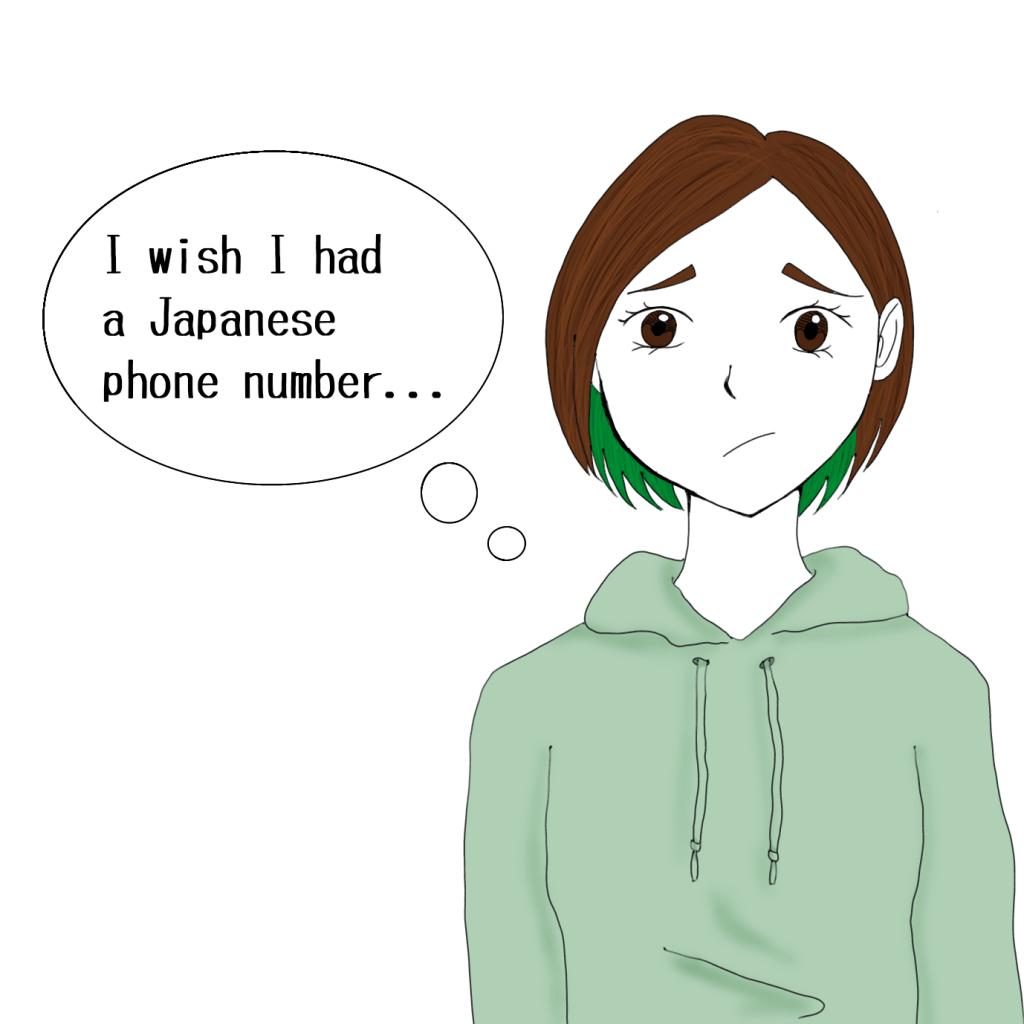
The other members in the sales team had their numbers depending on the markets that they are in charge of, but I hadn’t had any. (After a while, I realised that my Indian manager didn’t also have the Indian number.)
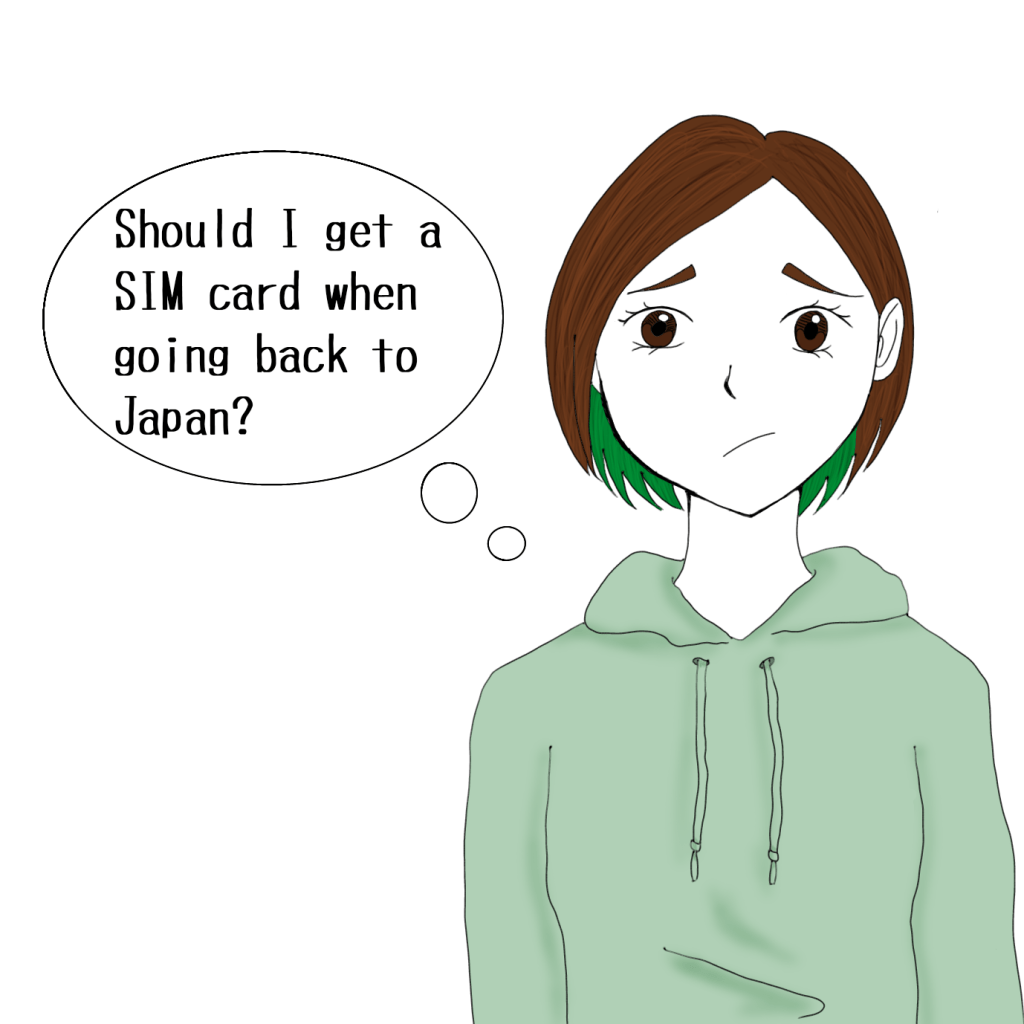
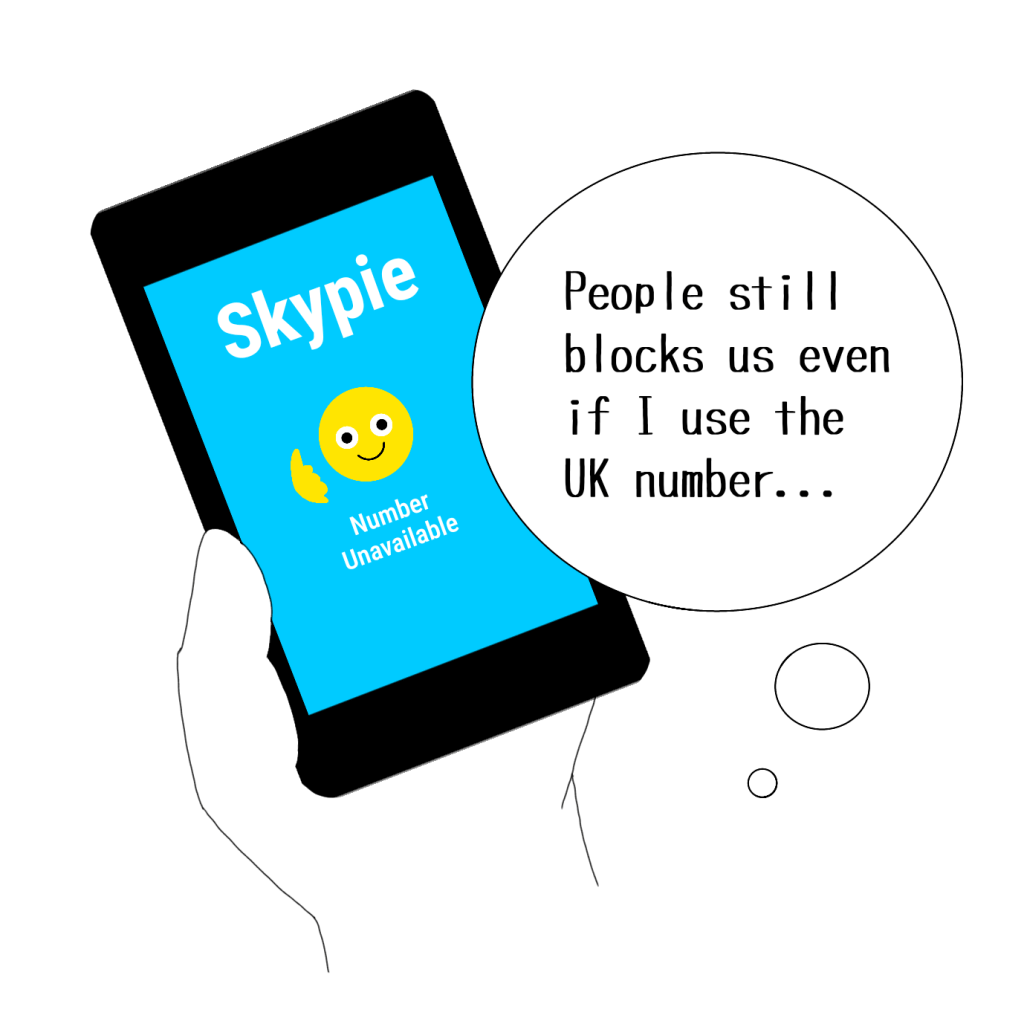
Of course it didn’t normally work, and many users blocked the number before answering my calls.

Aitäh! 🙂

