
Tere!
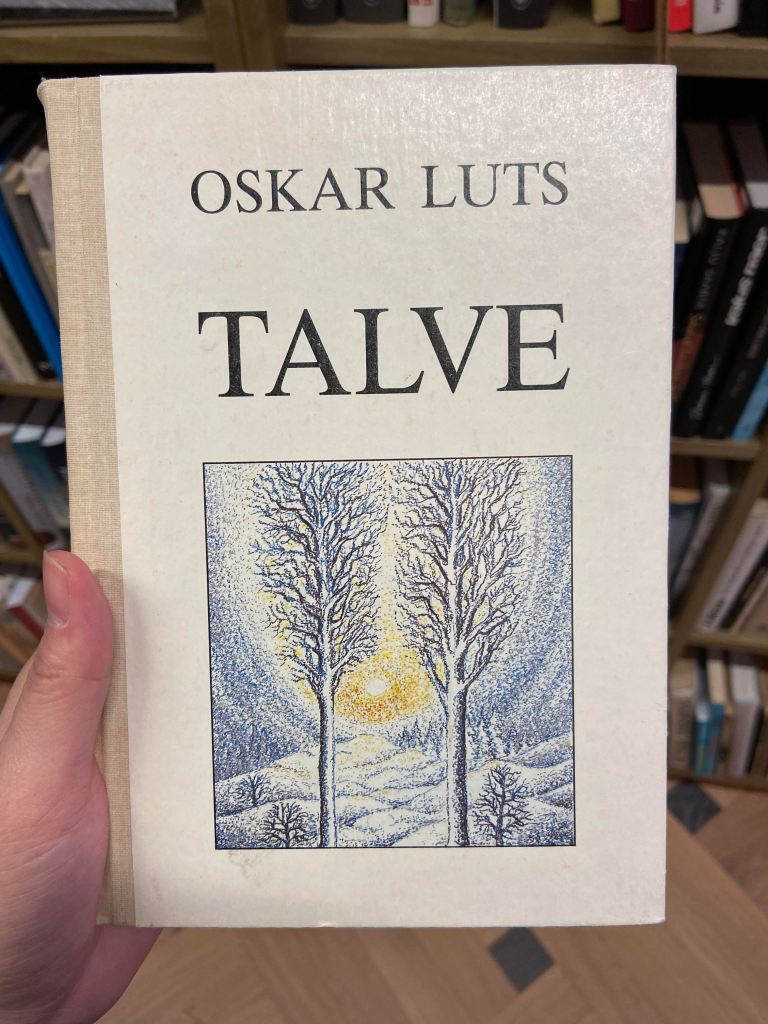
How often do you read books? In my case, I buy a book whenever I feel like reading it. (But I’ve been in a not ideal situation because the COVID-19 situation in the UK has compelled me to wait for about a month now. It’s been two months since I ordered.) This time, in addition to the previous article on “Talve”, I’m going to write about Estonian literature…no, about extensive reading. The extensive reading is one of the ways to learn a language.
The extensive reading is reading as many books that are at your language level as possible. When I was in a university in Japan, I was in the Department of British and American Studies, where we had to read books in English, take and pass the quizzes to gain the word counts. (And it’s totally okay to exceed the minimum word count.) We also had the minimum number of words of books, depending on the classes or levels.
It might sound that with this method we could enhance our reading skill, but I believe this would rather strengthen the vocabularies. (In fact, some researchers have the same opinion as mine, others not. In my opinion, without increasing the reading speed, the extensive reading cannot enhance the reading skill.)
I wish Estonia had such a system, but anyways they don’t have it, so I thought I should find at least something to read. Then I went to the library in the Old Town!
When doing the extensive reading, there is a criteria to choose a book. For example, you are fond of the Harry Potter series, and your English level is A2 to B1. Then if you try to read one of those books, it would take hours to read and understand a few pages, which is not the extensive reading.
This happens because of insufficiency of vocabularies.
Then, how can you choose a book? Pick up one book and read the first page. Provided that you have less than a few words that you do not comprehend, the book suits your level and you can start reading that book.
In my case it’s Estonian. Of course I consult a dictionary a lot to read not only the Harry Potter series but also some short articles in a textbook. However, I knew that if I would start doing the extensive reading, I will gain more vocabulary, and it will lead to a result in reading itself in the end.
Even though the target language is different, the criteria is the same. I should read a book which has less than a few words that I do not understand in one page. Also as far as I know, there are no books that are rewritten specifically for the Estonian language learners, I needed to choose ones from a general lineup. It means I should choose literature for kids. (However, it’s still difficult.)
In Tallinn there are some libraries. In addition to universities’ libraries, there is the National Library of Estonia, Tallinn Central Library and so on. In the Central Library, there are books in English or other foreign languages such as Spanish.
However, what I wanted was books in Estonian for kids. I had no idea which branch library of the Central Library has such. (Perhaps they don’t really have any.) Then I did some research, and found Estonian Children’s Literature Centre in the Old Town.
Like its name, they do have lots of books for kids (until teeneagers). I was wandering around there and found Harry Potter, the Song of Fire and Ice.
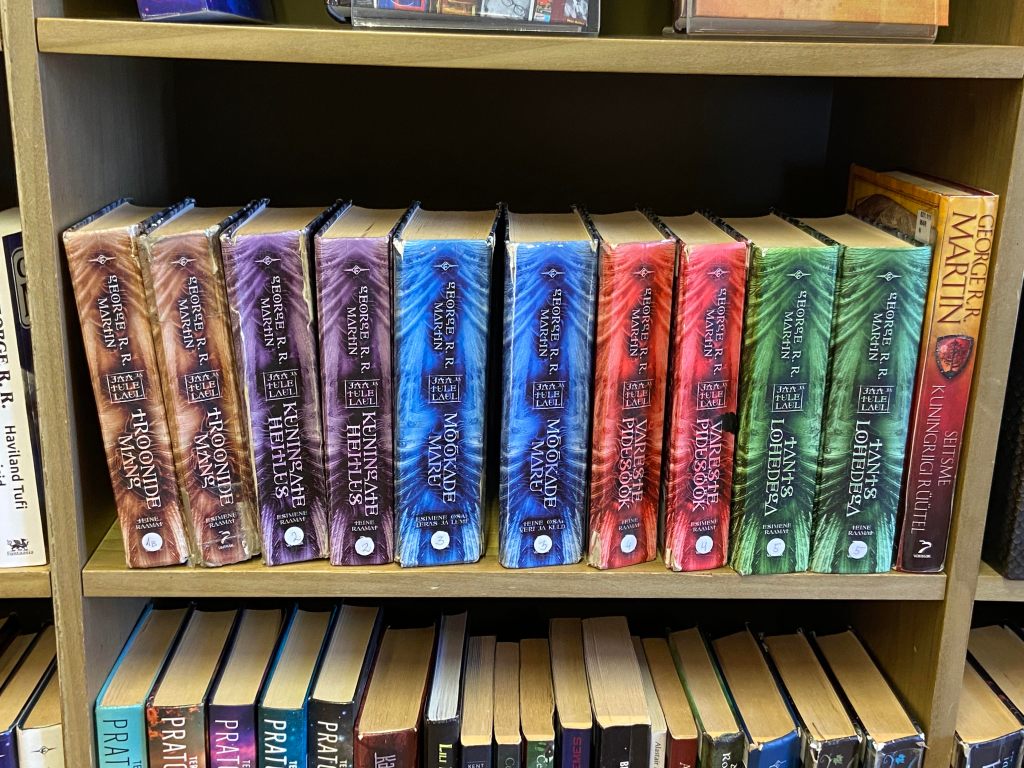
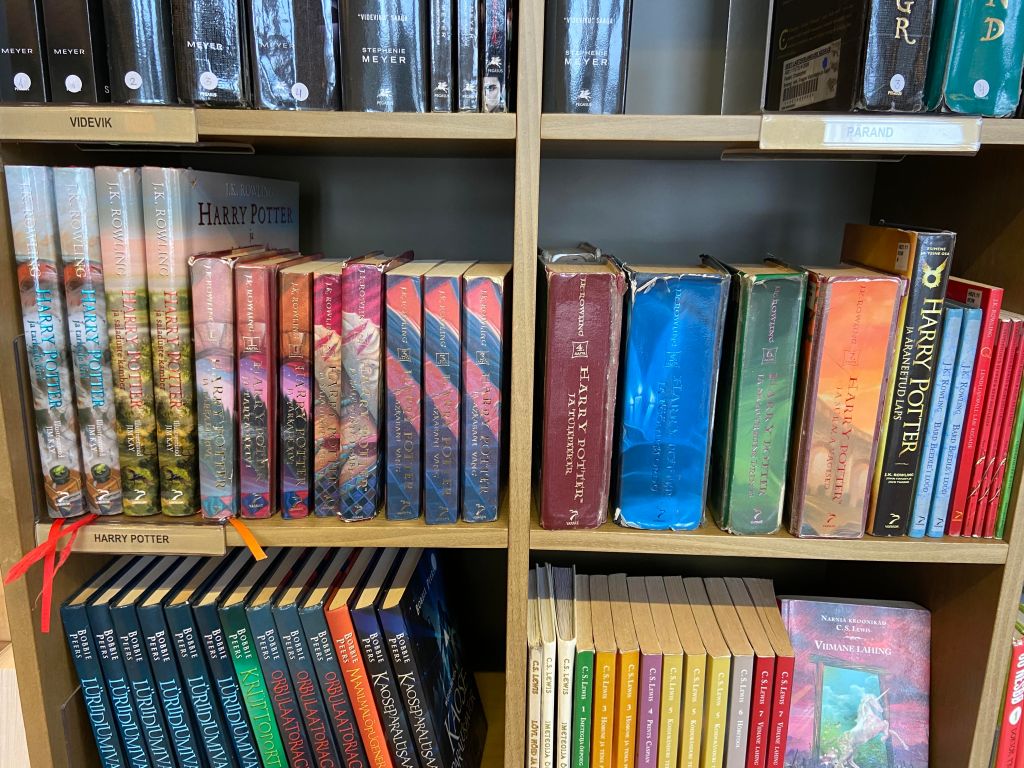
I know those stories so I wanted to borrow but I thought I shouldn’t because I wouldn’t be able to understand them properly. So I decided to borrow five picture books for toddlers. What I borrowed was translated from English, but rabbits were cute so I decided to borrow them.
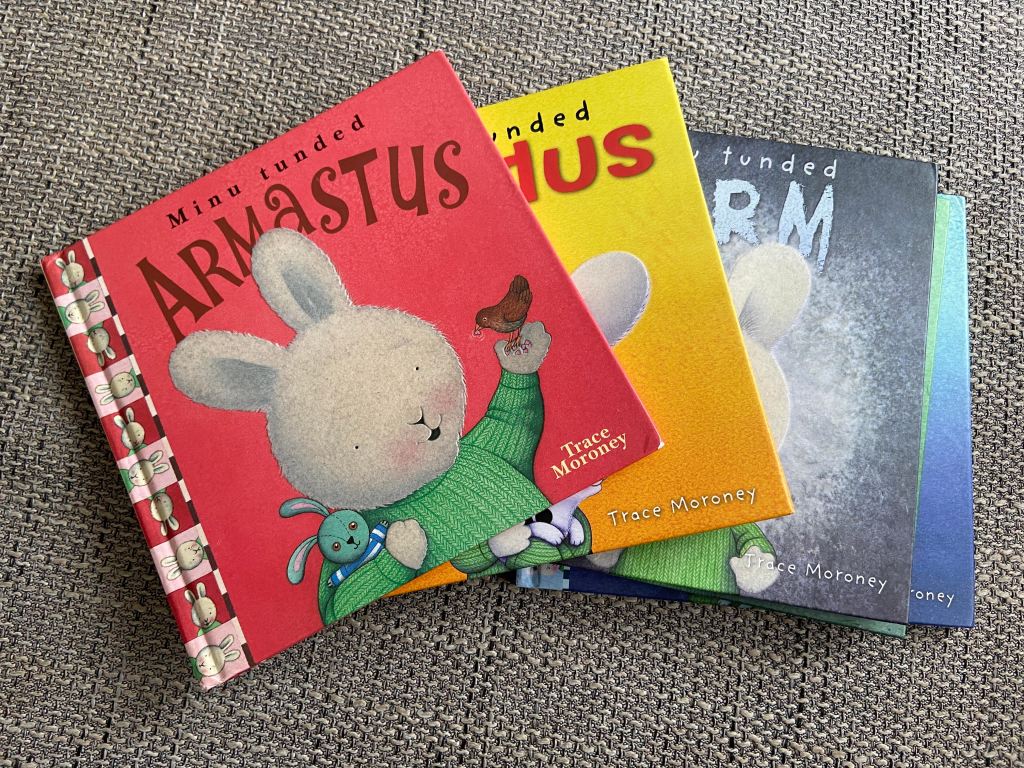
When borrowing books at National Library of Estonia, Tallinn Central Library or universities’ libraries, you can use your Estonian ID card as a library card, but in this centre, it costs one euro to make a library card. But it’s still cheap considering the number of books that I can read. It was a self-investment. The librarian was a middle-aged female but she could speak English.
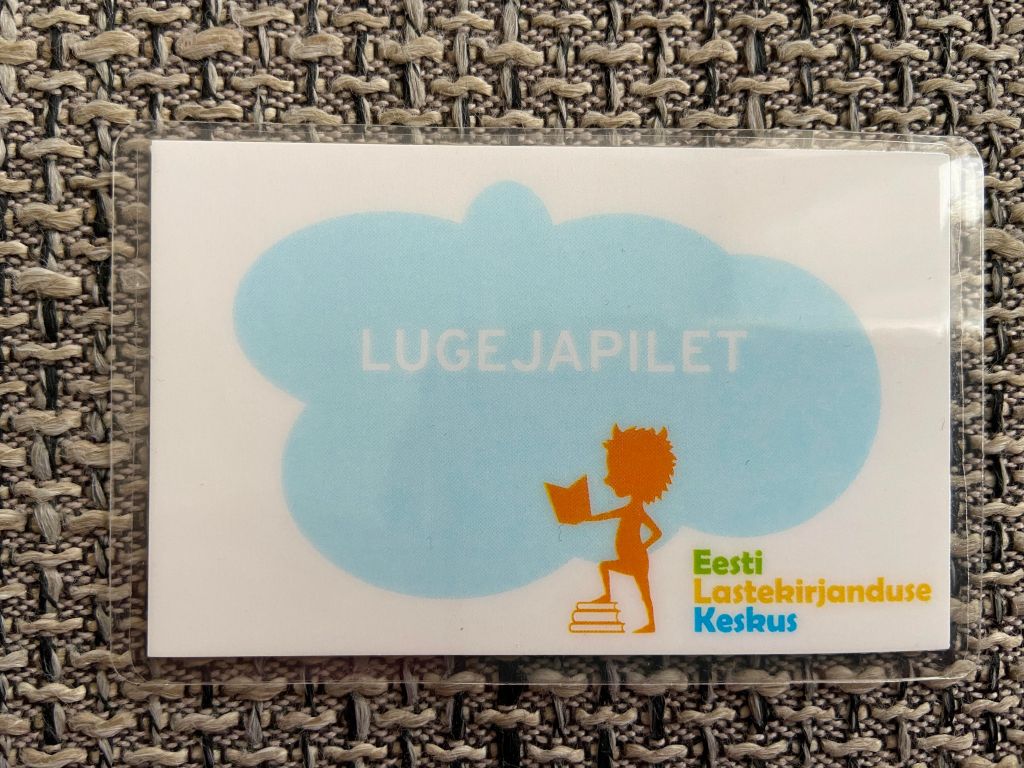
Eventually I borrowed five books for two weeks.
My speaking level is not that high although I finished the B1 course, so I want to increase my vocabulary little by little. (It sounds as if the vocabularies are everything, but without them we can’t really talk.)
It’s a key to enhance each skill in balance when learning a foreign language.
Aitäh! 🙂
 zooks.ee